

Moving to assisted living does not mean giving up the feeling of home. Familiar belongings, personal routines, meaningful relationships, and everyday choices can help a new residence feel comfortable and recognizable over time.
For families in Vandergrift, PA, the transition may involve downsizing, changing household routines, or moving closer to needed support. The goal is not to recreate an entire house. It is to preserve the parts of home that provide comfort, identity, and control.
What makes assisted living feel like home?
Assisted living feels more like home when residents can recognize their surroundings, follow familiar routines, and make ordinary choices throughout the day. A private living space matters, but so do relationships, sounds, meals, activities, and opportunities for privacy.
Home is often connected to details that seem small:
- A favorite chair near a window
- Family photographs arranged in a familiar way
- A preferred morning beverage
- A regular time for bathing or resting
- Familiar music, books, blankets, or artwork
- The ability to decide what to wear or where to sit
- Friendly recognition from staff and neighbors
Comfort develops gradually. A resident may need several weeks or longer to adjust, especially after leaving a longtime home. Feelings of sadness, confusion, or resistance do not necessarily mean the move was unsuccessful.
How can a resident’s room be personalized?
The room should reflect the resident’s life, not look like a temporary hotel room. A few meaningful items are usually more helpful than bringing too many possessions.
Before moving, families can identify belongings that support memory and comfort. These may include a familiar quilt, a small collection of framed photos, a favorite lamp, books, artwork, or a clock that is easy to read. Items connected to hobbies can also make the space feel more personal, such as knitting materials, puzzles, records, or gardening photographs.
Safety should guide placement. Walkways need to remain clear, cords should be secured, and furniture should be stable. Small rugs, crowded shelves, and low tables may create fall risks. Some residences may also have rules about electrical equipment, candles, appliances, wall attachments, or furniture dimensions, so those requirements should be reviewed before moving day.
A useful approach is to arrange the room in stages:
1. Place essential furniture first.
2. Add familiar items that support daily routines.
3. Observe how the resident moves through the room.
4. Remove or reposition anything that causes clutter or confusion.
5. Add seasonal or decorative items gradually.
For residents who experience memory loss, visual cues can help identify the room. A recognizable photograph, decorative object, or name sign may be more useful than a number alone, provided it follows residence guidelines.
Which routines should stay the same?
Keeping familiar routines can reduce stress and support independence. A move may change the physical setting, but it does not have to change every part of the day.
Families can share information about the resident’s usual schedule, including:
- Typical waking and sleeping times
- Preferred bathing schedule
- Favorite foods and foods to avoid
- Usual times for medication, rest, or exercise
- Religious, cultural, or family traditions
- Preferred communication style
- Activities the resident enjoys or dislikes
A person who has always read the newspaper in the morning may appreciate a quiet reading period after breakfast. Someone who enjoyed sitting on a porch may benefit from access to a secure outdoor area or a chair near a bright window.
Seasonal habits may matter as well. In a community with cold winters, shorter daylight, and changing weather, residents may spend more time indoors during certain months. Warm clothing, familiar indoor activities, good lighting, and regular social contact can help prevent the season from feeling isolating.
How can family visits feel more natural?
Frequent, predictable visits are often more helpful than occasional long visits. A regular day or time can give the resident something to anticipate and may make family contact feel like part of the weekly routine.
Visits do not need to be elaborate. Helpful activities may include:
- Looking through family photographs
- Folding towels or sorting greeting cards
- Listening to familiar music
- Sharing a snack or cup of tea, if permitted
- Taking a supervised walk
- Watching a favorite program
- Reading aloud
- Helping decorate for a season or holiday
Some residents become tired or overwhelmed during visits. Shorter visits with a calm pace may be more successful than large gatherings. It is also useful to focus on the resident rather than testing memory. Asking, “Do you remember who this is?” can create pressure. Talking about a photograph, song, or shared experience may encourage conversation more comfortably.
Family members should also avoid making every visit about symptoms, complaints, or care tasks. Those concerns deserve attention, but ordinary conversation and companionship help preserve the relationship.
What role do staff relationships play?
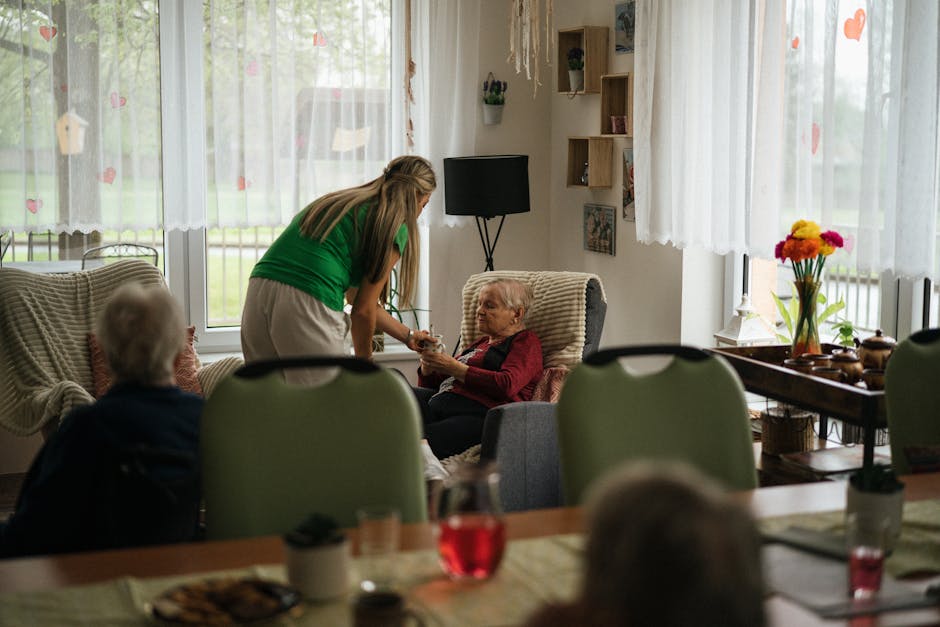
A room may be decorated beautifully, but assisted living will not feel like home without respectful human interaction. Residents are more likely to feel settled when staff learn their names, preferences, history, and communication style.
Families can help by sharing a brief personal profile. Useful information might include the resident’s former occupation, favorite topics, important relationships, hobbies, foods, fears, and calming strategies. This information should be practical rather than overly detailed.
Residents should also be encouraged to build relationships with neighbors. Shared meals, small group activities, exercise sessions, discussion groups, and creative programs can provide opportunities for connection without requiring a resident to join a large crowd immediately.
Social participation should remain a choice. A resident who prefers quiet time should not be treated as unfriendly or pressured into every activity. A sense of home includes the right to be alone.
How can residents keep a sense of control?
Loss of control is one of the hardest parts of moving from a private home. Preserving everyday choices can make a significant difference.
Residents may be able to choose:
- Clothing and personal grooming preferences
- Where to spend free time
- Which activities to attend
- Whether to keep the door open or closed
- How to arrange personal items
- Which foods to select from available options
- When to call or visit with family
For people who need more assistance, choices can be offered in simple forms. Instead of asking an open-ended question such as “What do you want to wear?” a family member might ask, “Would you like the blue sweater or the green one?” This supports participation without creating unnecessary difficulty.
A resident’s abilities may change, but independence should not be removed faster than necessary. Allowing someone to perform part of a task, even if it takes longer, can protect dignity and confidence.
What if the resident does not feel at home?
Adjustment problems should be taken seriously, but they should also be observed over time. Restlessness, withdrawal, repeated requests to go home, changes in appetite, or disrupted sleep may reflect grief, anxiety, pain, medication effects, poor sleep, loneliness, or an environment that does not fit the resident’s needs.
Families can keep notes about patterns and discuss specific observations with the appropriate care team. Questions might include:
- Does the distress happen at a particular time of day?
- Is the resident more comfortable in a quieter area?
- Are meals, lighting, noise, or room temperature affecting comfort?
- Has the resident lost access to a familiar activity?
- Are hearing, vision, pain, or sleep problems contributing?
The phrase “I want to go home” may mean the resident wants safety, familiarity, privacy, or a loved one—not necessarily that the physical building is the only solution. Responding with reassurance and curiosity is often more helpful than arguing about where home is.
How can the transition remain personal?
A home-like assisted living experience develops through repeated familiar moments. A favorite chair, a known face at breakfast, a family phone call, a familiar song, and the freedom to make small choices can gradually create a new sense of belonging.
The most effective plan is usually personal, practical, and flexible. What comforts a resident during the first week may change after the routine becomes familiar. Regular observation and respectful conversation help ensure that the living space continues to reflect the person who lives there.
