
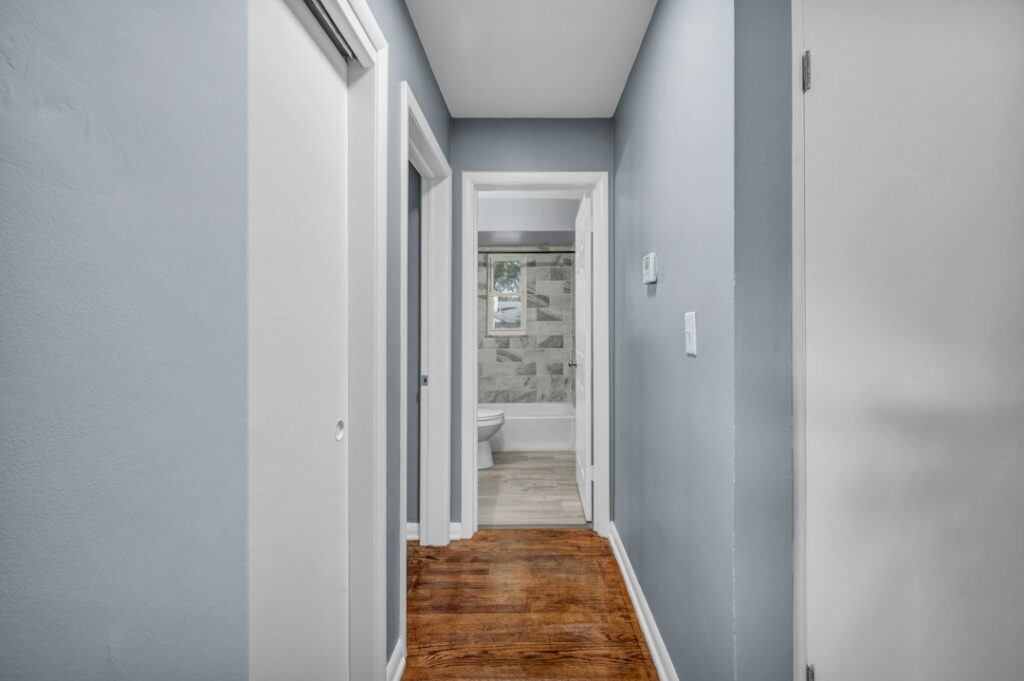
Assisted living safety is more than locked doors and emergency buttons. A well-designed residence combines building features, trained staff, clear procedures, emergency planning, and individualized support to reduce preventable injuries while preserving residents’ independence.
For households in Vandergrift, PA, safety planning may also need to account for winter weather, power interruptions, older buildings, uneven outdoor surfaces, and transportation challenges. The right questions can help families understand whether a residence is prepared for ordinary risks as well as emergencies.
What safety features should an assisted living residence have?
A safe assisted living residence should address falls, fire, medical emergencies, wandering, medication errors, severe weather, utility outages, and changes in a resident’s condition. Safety features should work together rather than operate as isolated devices.
Common features include:
- Smoke detectors, fire alarms, sprinkler systems, and illuminated exit signs
- Handrails, grab bars, nonslip flooring, and well-lit hallways
- Emergency call systems in resident rooms and bathrooms
- Secure entrances and controlled access where appropriate
- Clearly marked exits and accessible evacuation routes
- Backup lighting and emergency power for essential systems
- Staff procedures for responding to falls, injuries, missing residents, and health changes
- Medication storage and administration safeguards
- Regular fire drills and emergency exercises
Pennsylvania assisted living residences are licensed and inspected under state requirements. Licensing covers areas such as fire safety, emergency preparedness, staffing, training, resident care, physical conditions, and health protections. A residence may meet the minimum rules and still differ considerably in how consistently those protections are used.
How do assisted living communities prevent falls?
Fall prevention usually depends on the physical environment, daily routines, and timely assistance. No residence can eliminate every fall, but effective programs identify hazards and respond when a resident’s mobility changes.
Look for:
- Even flooring without loose rugs or abrupt surface changes
- Handrails on both sides of commonly used stairways
- Grab bars near toilets and in bathing areas
- Shower seats, handheld shower controls, and nonslip surfaces
- Adequate lighting at night, including pathways to the bathroom
- Chairs and beds at practical heights
- Clear walking paths without unnecessary furniture or equipment
- Staff response plans for residents who need help standing, transferring, or walking
Ask how the residence responds after a fall. A strong process includes documenting what happened, checking for injury, reviewing medications or illness, and reconsidering the resident’s support plan. Repeated falls should not be treated as routine.
Winter conditions deserve specific attention in the local area. Ask how outdoor walkways, ramps, entrances, and parking areas are monitored during snow, ice, freezing rain, and wet weather. Indoor entryways also need attention because tracked-in moisture can create slippery surfaces.
What fire safety protections are required?
Fire safety protections should include alarms, evacuation procedures, staff training, drills, and a realistic plan for residents who use walkers, wheelchairs, oxygen, or other mobility supports.
Pennsylvania rules require assisted living residences to maintain fire safety procedures and demonstrate that residents can reach a public thoroughfare or a designated fire-safe area within a time established by a qualified fire safety expert. Fire drills are intended to test more than whether an alarm sounds. They should show whether residents can be located, assisted, supervised, and accounted for.
Families can ask:
- Where are the designated fire-safe areas?
- How are residents with limited mobility evacuated?
- How are oxygen equipment and medications handled during an evacuation?
- How are visitors and residents accounted for at a meeting location?
- How often are drills conducted, and are drills held at different times?
- What happens if an alarm or smoke detector is temporarily inoperable?
A residence should be able to explain its procedures in plain language. Vague answers may indicate that the plan exists on paper but is not well understood by the people expected to carry it out.
How are medical emergencies handled?
Assisted living is not the same as a nursing facility or hospital. The level of medical support varies, so families should ask exactly what staff can do and when emergency medical services are called.
Important safeguards may include:
- Emergency call systems that are answered promptly
- Current emergency contacts and health information
- Staff trained in first aid, cardiopulmonary resuscitation, or other required skills
- Procedures for chest pain, breathing trouble, falls, strokes, allergic reactions, and sudden confusion
- Clear communication with family members or designated contacts
- Arrangements for transportation to emergency care
- Documentation after an incident
The emergency plan should reflect the individual resident. A person with diabetes, seizure risk, dementia, severe allergies, or a history of falls may need specific instructions that are not appropriate for every resident.
Residents and families should also know whether call pendants, wall buttons, or room systems work in bathrooms and outdoor areas. A device that is difficult to reach after a fall may provide less protection than expected.
What prevents wandering or unsafe exits?
Security features should protect residents who are at risk of becoming lost while respecting the rights of residents who can safely come and go. Measures may include monitored entrances, door alarms, secured areas, identification systems, and staff checks.
Security should not be confused with unnecessary restriction. Families can ask:
- Which doors are secured, and during what hours?
- How does staff respond if a resident does not return from an outing?
- Are outdoor areas enclosed or monitored?
- How are visitors identified?
- What changes occur if a resident develops new confusion or wandering behavior?
- How are residents informed about exits and their rights?

A useful safety plan is individualized. A resident with memory impairment may need more supervision, while another resident may need accessible independent access to common areas and outdoor spaces.
How does medication safety work?
Medication errors can occur when prescriptions change, doses are missed, or several providers give conflicting instructions. Assisted living residences should have written medication procedures, secure storage, accurate records, and trained personnel.
Questions worth asking include:
- Who is permitted to administer medications?
- How are new prescriptions and dosage changes documented?
- How are missed doses, refusals, and medication errors handled?
- Are residents allowed to self-administer any medications?
- How are over-the-counter drugs, inhalers, creams, and injectable medications managed?
- How are pharmacy deliveries and medication disposal handled?
A resident’s medication list should be reviewed when there is a hospital visit, a significant health change, or a new prescriber. Families should understand who communicates changes to the residence.
How are power outages and severe weather addressed?
Emergency preparedness should cover utility failures, severe storms, flooding, extreme temperatures, transportation interruptions, and temporary relocation. Pennsylvania requirements call for written plans addressing resident contacts, emergency medical information, transportation, staff duties, and alternate ways to meet residents’ needs during outages.
In Vandergrift, winter outages and freezing temperatures make backup plans especially relevant. Ask whether the residence has:
- Emergency lighting and backup power
- Heating and cooling contingency plans
- Food, drinking water, and essential supplies
- A process for residents who rely on powered medical equipment
- Transportation arrangements if relocation is required
- Plans for maintaining communication with families
- A method for protecting confidential medical information during an emergency
The most useful question is not simply, “Do you have a generator?” It is, “Which systems does the backup power support, for how long, and what happens if the outage lasts longer than expected?”
What should families observe during a visit?
A safety review should include ordinary details, not just visible equipment. Notice whether hallways are clear, bathrooms are accessible, floors are dry, and staff can explain emergency procedures without confusion.
Also observe whether:
- Residents appear supervised without being unnecessarily restricted
- Call systems are within reach
- Doors close and latch properly
- Lighting is adequate in hallways and entrances
- Outdoor paths are level and maintained
- Staff respond respectfully to requests
- Incident and complaint procedures are explained clearly
The safest residence is not necessarily the newest or largest. It is one that maintains its systems, adapts support to each resident, trains staff consistently, and treats safety as part of everyday care rather than an occasional inspection requirement.
